Status Psychology: Why Humans Care About Rank, Recognition, and Respect
How prestige, power, wealth, social rank, status symbols, and comparison shape attention, influence, behavior, and consumption.
Status is the respect, prestige, and social esteem a person is granted by others. It is related to power and wealth but not identical to either. A person can have money without admiration, authority without prestige, or high status inside one group and almost none outside it. Status is relational and domain-specific.
Humans are unusually sensitive to rank. We notice who speaks first, who gets interrupted, whose opinion carries weight, who is imitated, who receives deference, and which symbols communicate membership in valued groups. Research on social hierarchies suggests that status information affects attention, memory, evaluation, and interaction.

1. Status, power, and wealth are different
Power concerns control over resources and outcomes. Wealth concerns economic resources. Status concerns prestige and respect. The three often correlate, but they can diverge. A respected scientist may have high status and moderate wealth. A feared executive may have power without affection. A celebrity may have status in entertainment and little credibility in medicine.
Confusing these dimensions leads to bad analysis. People sometimes pursue money when what they really want is recognition. Others pursue titles because titles proxy for respect. Understanding the target matters because each resource is acquired differently.
2. Why status matters psychologically
Status affects access, influence, attention, mating opportunities, coalition support, and whose interpretation of reality is taken seriously. In group settings, high-status individuals are often granted more speaking time and their ideas receive more weight. Status therefore changes not only how a person feels but what they can cause other people to do.
3. Dominance and prestige are different routes
One useful distinction separates dominance—rank supported by threat, coercion, or control—from prestige—rank voluntarily granted because others value a person’s skill, knowledge, or contribution. Real hierarchies can contain both mechanisms.
Prestige tends to be more stable when followers continue to value the underlying competence. Dominance may produce compliance without admiration. For leaders, confusing fear with respect is costly because the feedback environment becomes distorted.
4. Status symbols work because groups share a code
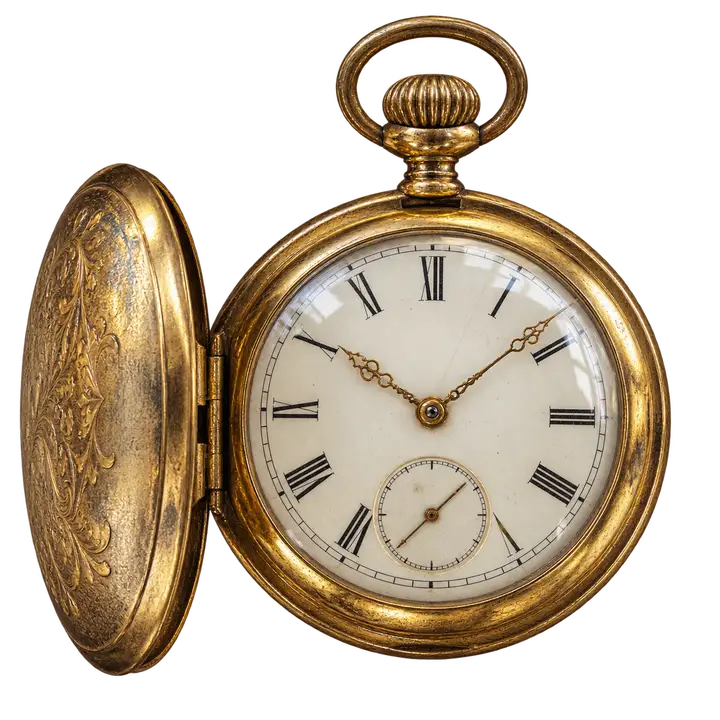
A symbol signals status only when observers understand what it means. Luxury watches, academic titles, office locations, uniforms, invitation-only events, cars, art, schools, and neighborhoods function as signals because groups collectively assign meaning to them. The object alone does not contain status; status lives in interpretation.
5. Why people sometimes overspend for status
Status goods can produce social returns that buyers value: belonging, recognition, credibility, or distinction. But status competition also creates positional arms races. If everyone upgrades to maintain relative rank, spending rises while relative positions barely change.
This is why social comparison and status psychology are tightly connected. The question is not simply “what do I own?” but “what does this ownership mean relative to my reference group?”
6. Status changes perception
Status cues influence how others interpret behavior. Confidence from a high-status person can be read as leadership; the same behavior from a low-status person may be read as arrogance. Research on status perception examines how rank cues interact with attention and evaluation, including beliefs that high-status individuals are more competent.
7. The dangers of high status
High status can reduce honest feedback. People laugh at weak jokes, soften disagreement, and hide bad news. This can damage calibration. High-ranking people therefore need systems that make dissent safe and create independent measures of performance.
8. A healthier status strategy
- Build competence that other people genuinely value.
- Choose reference groups intentionally.
- Distinguish prestige from dominance.
- Use symbols as communication, not as substitutes for substance.
- Create feedback channels that survive rank differences.
- Remember that status is unstable when it depends only on attention.
Status is not a trivial obsession layered on top of “real” human behavior. Hierarchy is part of social life. The practical challenge is to understand the system without becoming trapped by it: earn respect where possible, recognize when symbols are useful, and avoid sacrificing long-term wealth or autonomy for a rank contest that never ends.
9. Status is signaled through behavior as well as possessions
People infer rank from speaking patterns, confidence, network position, deference from others, expertise, and access. Possessions are only one channel. In some groups, conspicuous luxury signals status; in others, understatement, technical knowledge, or insider fluency carries more weight. The code changes with the audience.
10. Prestige markets reward difficult-to-fake signals
Signals are more credible when they are costly or difficult to imitate. A professional credential requires time and examination. A respected body of work requires repeated performance. Rare craftsmanship can require skill and labor. Expensive objects can be costly, but if counterfeits are common or financing makes the signal easy to mimic, the meaning can weaken.
11. Status anxiety and positional consumption
When rank is uncertain, people may increase visible consumption to communicate success. This can become financially destructive if the purchase is funded by debt while the underlying wealth position remains weak. The paradox is that trying to look wealthy can reduce actual wealth.
12. Status and leadership
Prestige-based leaders gain influence because others expect useful knowledge or coordination. Maintaining that status requires continued contribution and fairness. When leaders rely on title alone, the gap between formal rank and earned prestige can widen.
13. Use status strategically, not compulsively
- Know which audience matters to your goals.
- Invest first in competence and reputation.
- Prefer signals that remain valuable even when nobody is watching.
- Avoid debt-funded positional races.
- Use high status to invite dissent, not silence it.
- Remember that every hierarchy is local and temporary.
Status is powerful precisely because it can redirect behavior without explicit commands. Understanding it helps explain markets, organizations, luxury, and social life—and makes it easier to choose when a rank contest is worth entering.
A Real-World Application
A professional buying an expensive watch may be purchasing craftsmanship, enjoyment, or a social signal—or all three. The financial question is whether the signal produces value worth its cost. Status psychology becomes practical when motives are made explicit rather than denied.
Frequently Asked Questions
What is the difference between status and power?
Status is prestige and respect granted by others. Power is control over resources and outcomes. They often correlate but can exist independently.
Why do status symbols work?
Because groups share meanings. A signal works when observers recognize the cost, scarcity, skill, credential, access, or tradition associated with it.
Is wanting status irrational?
Not necessarily. Status can bring influence, opportunity, trust, and access. Problems arise when status competition consumes resources without improving underlying well-being or capability.
Can status reduce decision quality?
Yes. High-status people may receive less honest feedback, and others may overweigh their opinions. Systems that protect dissent and measure outcomes independently can reduce this risk.
14. Status hierarchies reduce uncertainty inside groups
Hierarchy is not only ego. Rank can coordinate who speaks, who decides, and whose expertise is followed. That can make groups faster. The danger is rigidity: if status becomes detached from relevant competence, hierarchy can preserve bad decisions because lower-ranking members stop contributing information.
15. High status changes attention from others
Research on status perception shows that rank cues attract attention and alter evaluation. People monitor high-status individuals because their actions can have larger consequences and because association with them may carry social value. This creates an attention advantage that can compound reputation.
16. Status loss can feel more painful than status gain feels good
Once a rank becomes part of identity, losing it can threaten belonging and self-concept. This helps explain why organizations sometimes resist changes that reduce titles, offices, privileges, or visibility even when compensation stays constant. The resource being defended is symbolic position.
17. Counter-signaling and quiet luxury
Very high-status individuals sometimes use fewer obvious signals because their position is already secure or because insiders recognize subtler cues. This is counter-signaling: not displaying the most obvious marker can itself communicate confidence or membership. The phenomenon helps explain why status codes differ sharply across social groups.
18. Status can be converted—but conversion is imperfect
Wealth can buy visibility, education can produce prestige, and institutional authority can create influence. But conversion is not guaranteed. Money may fail to buy respect in a technical community; celebrity may fail to create scientific credibility. Each hierarchy has its own exchange rate.
Understanding status therefore means identifying the specific audience, valued dimension, and signaling code. Without those, “high status” is too vague to be useful.
Related Reading
Sources & Research Notes
This article distinguishes established findings from interpretation. Foundational studies are useful, but individual effects vary by context, measurement, sample, and replication quality. The links below are included so readers can inspect the underlying research directly.