Tag: stoicism

  • What Is Stoicism? A Practical Guide for Ambitious People

    Stoicism • TOFU

    What Is Stoicism? A Practical Guide for Ambitious People

    Stoicism is not emotional numbness. It is a system for separating judgment from noise, directing effort toward what can be influenced, and acting with standards under pressure.
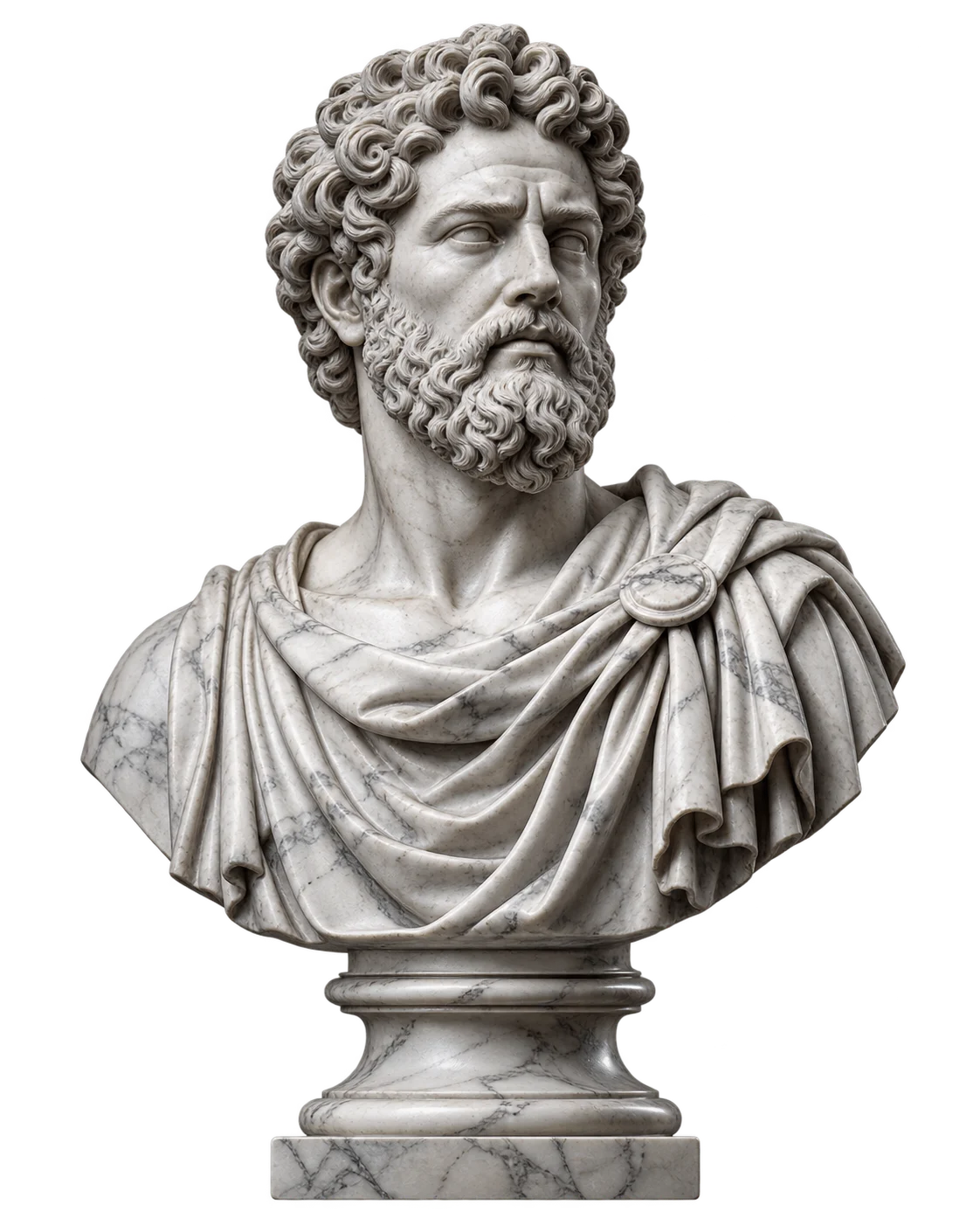

    What Is Stoicism? A Practical Guide for Ambitious People

    Stoicism is older — and richer — than the internet version

    Stoicism began as a Hellenistic school of philosophy around the third century BCE and later became deeply associated with Roman thinkers such as Seneca, Epictetus and Marcus Aurelius. The modern internet version often compresses all of this into a single instruction: stay calm. That misses the more useful point. Stoicism is a philosophy of judgment, character and action.

    For an ambitious person, the value is not learning to suppress emotion. It is learning to prevent the first emotional interpretation of an event from becoming the final decision. Markets move. People disappoint you. Projects fail. Reputation fluctuates. The Stoic question is not whether those events matter. It is whether they deserve control over the quality of your response.

    The first operating principle: separate control from concern

    Many people spend enormous mental energy on variables they can observe but cannot command: the economy, a competitor’s behavior, someone else’s opinion, the algorithm, a difficult client’s mood. Stoicism asks you to distinguish these from the variables that belong more directly to your agency: preparation, standards, effort, interpretation, attention and the next action.

    This distinction is not passive. In fact, it can be aggressive in the best sense. Once energy is no longer wasted negotiating with reality, it can be concentrated on the few actions that can still change the outcome.


    The second principle: judgments create unnecessary suffering

    Events arrive with facts. The mind quickly adds a story. A customer delays a decision; the story becomes 'the offer is bad.' A competitor launches a product; the story becomes 'we are behind.' A bad month becomes evidence that the entire plan is broken.

    Stoic practice creates a gap between event and interpretation. In that gap, the operator can ask: What do I actually know? What am I assuming? What would another explanation look like? What response would still make sense if my first story is wrong?

    The third principle: character is a strategic asset

    Classical Stoicism placed virtue at the center of the good life. In modern operating language, this means standards that do not disappear when incentives become inconvenient. Reliability, courage, restraint, justice and good judgment become part of how decisions are made.

    That matters in business because pressure reveals the real operating system. Values written on a wall are weak evidence. The better evidence is what happens when revenue is down, a deadline is missed or a shortcut becomes available.

    A practical Stoic protocol for difficult days

    When pressure rises, use a short sequence: describe the event without adjectives; separate controllable from uncontrollable variables; name the interpretation you are adding; decide which standard should govern the response; take the smallest useful action immediately.

    This protocol does not make uncertainty disappear. It prevents uncertainty from consuming the part of the situation that still belongs to you.

    Working principles
    • Control attention before trying to control outcomes.
    • Separate facts from interpretations.
    • Use standards to govern repeated decisions.
    • Treat calm as a consequence of clarity, not the objective.
    The Daily Letter

    One useful idea. No noise.

    Sharp ideas on wealth, discipline, leadership and better judgment for people serious about growth.

    Join the list →

    Sources & further reading

    • Stoicism — Stanford Encyclopedia of Philosophy

    Continue Reading
  • Stoicism Is a Decision System, Not a Mood

    Stoicism • Decision-Making • Self-Mastery

    Stoicism Is a Decision System, Not a Mood

    Stoicism becomes useful when it changes how you allocate attention, emotion, time and action under pressure.

    Stoicism Is a Decision System, Not a Mood

    The modern misunderstanding of Stoicism

    Stoicism is often reduced to emotional suppression: stay calm, tolerate pain, complain less. That version is easy to market because it fits into a poster. It is also incomplete. Classical Stoicism was a system for thinking about judgment, action, character and the boundary between what belongs to us and what does not.

    The practical value is not that a founder, executive or ambitious professional becomes less human. The value is that external volatility stops receiving automatic authority over internal decisions. A bad quarter can be real without becoming an identity crisis. A competitor can move without dictating your strategy. A difficult conversation can create discomfort without forcing avoidance.

    Control is an allocation problem

    The famous Stoic distinction between what is and is not up to us is best read as an allocation rule. Some variables deserve energy because action can change them. Others deserve observation, preparation or acceptance because direct control is limited.

    In business, this distinction is brutally useful. You do not control the economy, the algorithm, a competitor’s pricing, a customer’s mood or tomorrow’s headline. You do control the quality of your offer, your hiring standards, your response time, your capital discipline, your calendar, your preparation and the clarity of the next decision.

    Most wasted energy comes from treating uncontrollable variables as action items and controllable variables as excuses.

    Filósofo estoico contempla Roma antes da tempestade

    Judgment comes before emotion

    Stoicism treats judgment as central because events do not arrive with a complete interpretation attached. A delayed deal may mean the offer is weak, the timing is wrong, the stakeholder is cautious, or nothing at all. The first story your mind produces is not automatically the most accurate one.

    That matters for operators because poor interpretation creates poor action. If every negative signal becomes catastrophe, you overreact. If every positive signal becomes proof, you overcommit. Better judgment creates emotional stability not by eliminating feeling, but by refusing to let the first feeling become the final analysis.

    A Stoic operating loop

    A useful operating loop is simple: name the event, separate facts from interpretation, identify the controllable variables, choose the standard that should govern the response, then act before the mind turns uncertainty into drama.

    This is especially valuable under pressure. The goal is not to feel nothing. The goal is to shorten the distance between reality and useful action.

    Where this changes real work

    In hiring, it means evaluating the process you designed rather than obsessing over one candidate’s reaction. In sales, it means improving qualification and follow-up instead of emotionally negotiating with every rejection. In investing, it means distinguishing a changed thesis from a changed price. In leadership, it means separating the team’s temporary anxiety from the standards required by the situation.

    The Stoic advantage is not serenity for its own sake. It is cleaner execution when reality refuses to cooperate.

    Working principles
    • Separate facts from the story you attach to them.
    • Spend energy where action can change the outcome.
    • Use standards, not mood, to govern repeated decisions.
    • Treat calm as a by-product of clarity, not the objective itself.

    Related essays

    The Daily Letter

    One useful idea. No noise.

    A short note on wealth, discipline, leadership and better judgment for people serious about growth.

    Join the list →

    Take the lessons with you. Follow your saved lessons and collections in Millionaire Minute. Open the app →

    Sources and further reading

    1. Stoicism — Stanford Encyclopedia of Philosophy (2023)