Wealth Creation: How Wealth Is Actually Built Over Time
Wealth creation is less about a single brilliant investment than about a repeatable system: earn, keep a surplus, acquire productive assets, manage risk, and avoid destroying the compounding process.
People often use income, wealth, and financial success as if they were the same thing. They are not. Income is a flow: money earned over a period of time. Wealth is a stock: the value of what you own minus what you owe. A person can earn a very high income and build little wealth if spending expands at the same rate. Another person can earn less, consistently own productive assets, and compound a meaningful net worth over decades.
That distinction matters because it changes the question from “How do I make more money?” to “How do I convert part of what I earn into assets that can survive, grow, and produce future options?” The Federal Reserve’s Survey of Consumer Finances tracks household balance sheets precisely because wealth is a balance-sheet concept, not merely an earnings concept. This article explains the mechanics without pretending that outcomes are guaranteed or that every household starts from the same place.

1. Start With the Wealth Equation, Not the Lifestyle Image
Net worth = assets − liabilities. The equation is simple, but the behavior behind it is not. Wealth creation requires that at least some current income is not permanently consumed. That surplus can then become ownership: cash reserves, diversified securities, a business, real estate, intellectual property, or other assets appropriate to a person’s risk, liquidity, and time horizon.
This is why visible consumption is a poor proxy for wealth. A luxury purchase tells you that money was spent; it does not tell you the buyer’s balance sheet, debt level, savings rate, or ownership of productive assets. The most important wealth-building decisions are often invisible.
2. The First Engine Is Surplus Cash Flow
Before compounding can work, there must be something to compound. The gap between income and recurring spending is the raw material of wealth creation. Increasing income helps, but only when part of the increase is retained rather than automatically absorbed by lifestyle inflation.
- Track recurring obligations before discretionary spending.
- Build a liquidity buffer so emergencies do not force the sale of long-term assets at bad times.
- Direct a defined share of increases in income toward ownership before upgrading lifestyle.
- Treat consumer debt with high interest costs as a competing claim on future cash flow.
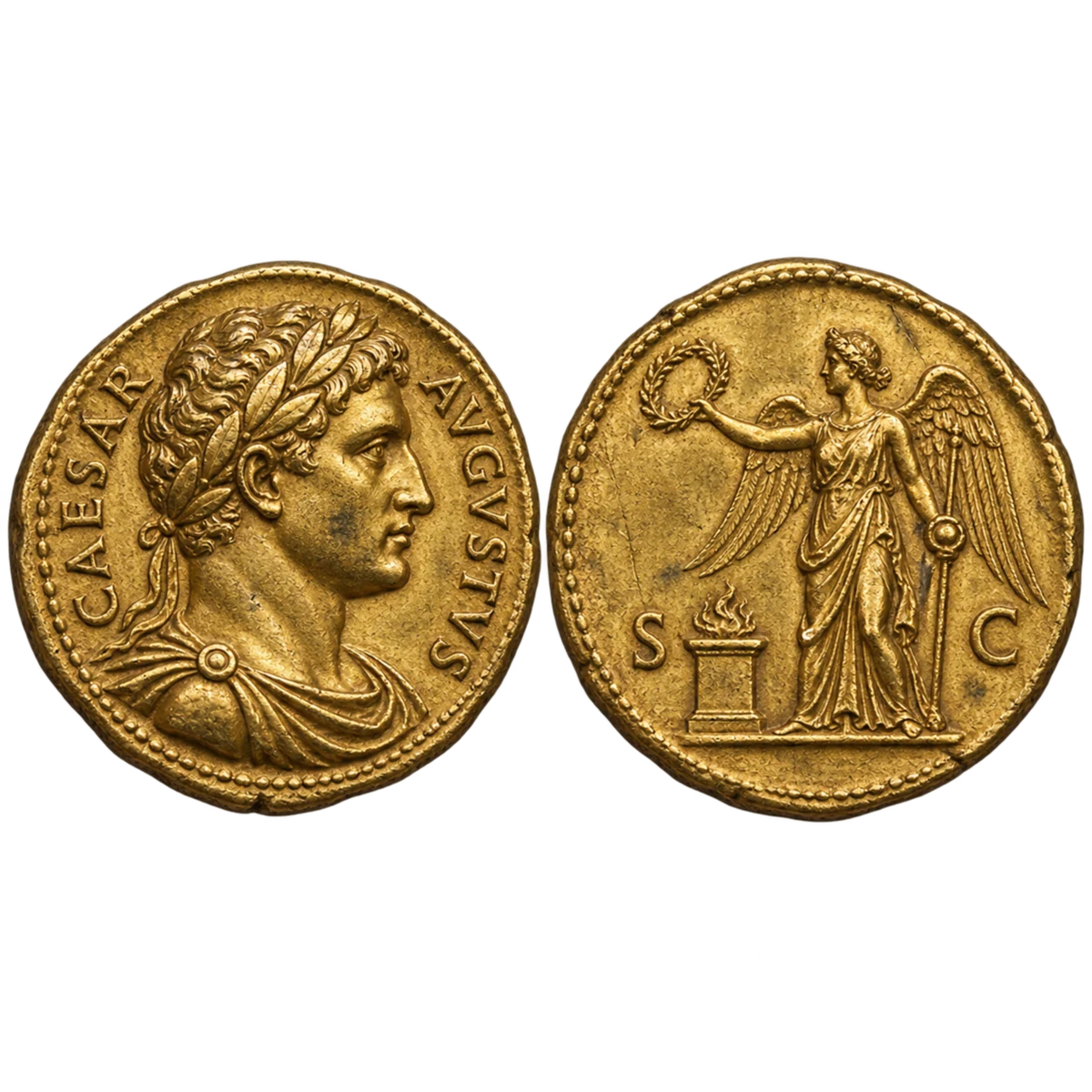
3. Ownership Changes the Math
Labor income is valuable, but it is tied to continued work. Ownership can create a different relationship with time. A diversified portfolio can participate in business earnings; a company can build equity beyond the founder’s monthly pay; property can provide use value and, in some cases, cash flow; intellectual property can continue producing value after the initial work.
The point is not that one asset class is always superior. It is that wealth tends to accumulate through claims on assets rather than through consumption alone. The right mix depends on taxes, skills, risk tolerance, liquidity needs, and the possibility of permanent loss.
4. Compounding Rewards Duration More Than Drama
Compounding is powerful because returns can build on prior gains, but the effect is highly sensitive to time, fees, taxes, withdrawals, and losses. The useful lesson is not “assume a spectacular return.” It is “avoid repeatedly interrupting a sound process.” Long periods of ownership can matter more than frequent attempts to predict the next winner.
This is also why catastrophic risk deserves attention. A 50% decline requires a 100% gain just to return to the starting value. Risk management is not the opposite of wealth creation; it is part of preserving the ability to continue compounding.
5. Diversification Is About Survival, Not Maximum Excitement
The SEC’s Investor.gov describes diversification as spreading investments across different assets so that one loss does not determine the outcome of the entire portfolio. Diversification can feel unsatisfying during a boom because it guarantees that some part of the portfolio will lag the hottest asset. Its value appears most clearly when a concentrated bet fails.
Diversification does not eliminate risk, and it does not turn weak assets into good ones. It reduces dependence on a single company, sector, market, or scenario. The deeper principle is resilience: no one forecast should have the power to permanently destroy the plan.

6. Wealth Preservation Begins Before You Feel Wealthy
As assets grow, new risks appear: taxes, concentration, fraud, leverage, legal exposure, poor succession planning, and the temptation to treat paper gains as permanent. Preservation is not a problem reserved for billionaires. The earlier a person builds basic controls—clear accounts, appropriate insurance, diversified ownership, documented plans—the less likely success is to create fragility.
The same principle applies to entrepreneurs. A business may be the largest asset on the owner’s balance sheet. That concentration can create extraordinary upside, but it also means personal wealth and operating risk may be tied to the same source. Understanding that concentration is the beginning of intelligent planning.
7. The Behavioral Side of Wealth Creation
Financial plans fail for behavioral reasons as often as for mathematical ones. Social comparison can turn rising income into rising obligations. Overconfidence can turn a diversified plan into an oversized bet. Recency bias can make last year’s winner feel safer than it is. Fear can force selling after losses rather than before risks were understood.
A durable system therefore reduces the number of decisions that depend on mood. Automatic contributions, written allocation rules, predefined liquidity reserves, and a review schedule can make behavior more consistent when headlines are emotionally intense.
8. A Simple Wealth-Creation Operating System
- Protect basic liquidity.
- Create positive cash flow.
- Acquire productive or appreciating assets appropriate to your situation.
- Diversify risks that do not need to be concentrated.
- Reinvest where the expected long-term case remains sound.
- Review taxes, fees, debt, and concentration regularly.
- Increase consumption deliberately, not automatically, as income rises.
This framework is intentionally boring. That is a feature. Wealth creation is a long-duration process, and systems that only work when motivation is high or markets are calm are not robust systems.
Wealth Creation Across Different Starting Points
A wealth framework should never pretend that everyone starts with the same income, debt burden, family obligations, health, geography, access to credit, or inherited assets. Two households applying the same savings rate can experience radically different outcomes because their starting balance sheets and exposure to shocks are different. That is one reason percentages should be treated as planning tools rather than moral rankings.
The useful response is to focus on the variables that can be improved from the current starting point: cash-flow visibility, expensive debt, emergency liquidity, earning capacity, investment costs, diversification, and the size of risks that could create permanent damage. Progress is more meaningful when measured against the previous balance sheet than against another person’s lifestyle.
When More Risk Does Not Mean More Wealth
Higher expected return usually comes with some form of additional risk, but risk is not automatically rewarded. Concentration, leverage, illiquidity, fraud, and buying assets you do not understand can increase the range of outcomes without improving the quality of the decision. The central question is whether the risk is compensated and survivable.
For entrepreneurs, concentration may be unavoidable because building a company requires focused capital and effort. That makes the rest of the personal system more important: liquidity, insurance, taxes, legal structure, and a clear understanding that business equity and household security are not the same thing. Wealth creation is strongest when upside is pursued without allowing one failure mode to erase every other option.
Practical Takeaways
- Income creates capacity; ownership creates a balance sheet.
- A high savings rate is useful only if the retained capital is deployed intelligently.
- Compounding requires time and protection from catastrophic interruption.
- Diversification is a risk-management tool, not a promise of profit.
- Behavior, fees, taxes, leverage, and concentration can matter as much as headline returns.
Frequently Asked Questions
Is wealth creation the same as investing?
No. Investing is one component. Wealth creation also includes earning capacity, spending discipline, debt management, business ownership, taxes, liquidity, risk management, and preservation.
Do I need a high income to build wealth?
Higher income can expand the available surplus, but income alone does not guarantee wealth. The relationship between earnings, spending, ownership, debt, and time is what shapes the balance sheet.
What is the biggest mistake in wealth building?
There is no single universal mistake, but repeatedly taking risks that can permanently remove you from the game—excessive leverage, fraud, concentration you do not understand, or spending every increase in income—can be especially damaging.
Sources and Further Reading
- Federal Reserve — Changes in U.S. Family Finances from 2019 to 2022
- Investor.gov — Diversification
- Investor.gov — Tips for 2026
Editorial note: Historical and conceptual visuals in this article are original editorial illustrations created for Millionaire Lesson. They are not presented as photographs of specific museum objects unless explicitly identified as such.