The Principles of Stoicism: What the Ancient Stoics Actually Taught
The ancient Stoics built an integrated philosophy of logic, physics, and ethics. Modern summaries often reduce it to “control what you can,” but the original system is richer—and more demanding.
Stoicism began in the Hellenistic world around the teachings of Zeno of Citium and developed across centuries through thinkers such as Cleanthes, Chrysippus, Seneca, Epictetus, and Marcus Aurelius. The Stanford Encyclopedia of Philosophy describes Stoicism as a systematic philosophy composed of logic, physics, and ethics rather than a collection of motivational slogans.
That matters because the popular version can become distorted. Stoicism does not say that nothing matters. It does not teach that emotions should be mechanically suppressed. And it does not define success as wealth, status, or invulnerability. Its central ethical claim is much more radical: a genuinely good life depends on the quality of one’s character and judgments.

1. Virtue Is the Center, Not a Life Hack
Ancient Stoic ethics identifies virtue with what is genuinely good. Wisdom, courage, justice, and moderation are not accessories to success; they are the core of a good life. External conditions—health, wealth, reputation, comfort—can be preferred or dispreferred, but they do not by themselves make a person morally good.
This distinction prevents Stoicism from becoming a technique for winning at any cost. A calm, disciplined person pursuing an unjust objective would not count as a Stoic success merely because the person was emotionally controlled.
2. Control Begins With Judgment
Epictetus is famous for distinguishing what depends on us from what does not. The deepest part of that distinction is not a checklist of controllable events. Our judgments, intentions, and responses are more directly ours than outcomes, other people’s opinions, markets, illness, accidents, or political events.
The practical move is to invest moral responsibility where agency is strongest. You can prepare carefully and still lose. You can communicate well and still be misunderstood. Stoicism asks whether your judgment and conduct were sound, not whether reality obeyed your preference.
3. Emotions Are Connected to Judgments
Ancient Stoics treated many disruptive passions as connected to mistaken judgments about what is truly good or bad. This is often caricatured as “do not feel.” A better reading is that emotions can be examined: What value judgment is inside the fear? What expectation is inside the anger? What belief about status is inside the envy?
The goal is not to become inert. Stoic texts include concern for family, community, duty, and humanity. The discipline lies in refusing to let a first impression automatically become a final judgment.
4. The Pause Between Impression and Assent
An impression arrives: “This is a disaster,” “I was disrespected,” “I cannot handle this.” The Stoic practice is to notice that an impression has appeared before assenting to it as truth. That pause is psychologically sophisticated. It creates a space in which interpretation can be tested.
In modern language, this resembles cognitive distancing: the thought is present, but the thought is not identical to reality. The Stoics developed this as moral training rather than clinical therapy, so the historical frameworks should not be collapsed into modern psychological treatment.
5. Nature, Reason, and Social Duty
Stoic ethics is embedded in a view of nature and human beings as rational and social creatures. Living according to nature did not mean “follow every impulse.” It meant living in accordance with reason and fulfilling the social roles and obligations appropriate to human life.
This social dimension is frequently lost when Stoicism is marketed as extreme self-reliance. Marcus Aurelius repeatedly reminds himself that human beings are made for cooperation. Justice is therefore not optional decoration; it is one of the central virtues.
6. Negative Visualization and Impermanence
Modern Stoic practice often uses “negative visualization”: briefly imagining loss, change, or difficulty to reduce complacency and strengthen gratitude. Ancient sources contain related reflections on impermanence, death, and the instability of external goods, though modern exercises vary in how directly they map to a single ancient technique.
Used carefully, the point is not to catastrophize. It is to remember that possession is temporary and that gratitude becomes easier when entitlement weakens.
7. Memento Mori Is a Priority Filter
Remembering mortality can sound bleak until it is used as a filter for priorities. If time is limited, resentment, vanity, and procrastination become more expensive. Marcus Aurelius repeatedly uses mortality to return attention to the task and character required in the present moment.
The lesson is not “work harder because you will die.” It is “do not spend finite attention as if it were infinite.”
8. Stoicism Is Practice, Not Aesthetic
The ancient tradition treated philosophy as a way of life. Reading quotations without practicing judgment, restraint, justice, courage, and self-examination is like collecting maps without traveling. Journaling, reviewing the day, rehearsing adversity, examining impressions, and reflecting on roles are valuable because they train conduct.
A useful test of Stoicism is therefore behavioral: Does the philosophy make you more responsible, just, resilient, and clear-minded—or merely better at sounding detached?
What Modern Stoicism Often Gets Wrong
- Stoicism is not “never show emotion.”
- It is not a philosophy of wealth maximization.
- The dichotomy of control is not a guarantee that effort produces outcomes.
- Detachment from outcomes does not remove obligations to other people.
- Marcus Aurelius was an important Stoic practitioner, not the founder of Stoicism.
The ancient system is more demanding than motivational Stoicism because it evaluates the quality of the goal itself, not just the mental toughness used to pursue it.
Stoicism and the Difference Between Preference and Value
One of the most useful Stoic distinctions is between what is morally good and what can reasonably be preferred. Health, security, education, friendship, and sufficient resources can be preferred; pain, disease, and poverty can be dispreferred. The radical claim is that these external conditions do not by themselves determine whether a person’s character is good.
This avoids two opposite errors. Stoicism does not require pretending that illness and poverty are pleasant. Nor does it allow comfort and success to become the measure of virtue. A person may work hard to protect health or provide for a family while still recognizing that circumstances can change despite excellent judgment.
Stoic Practice in Modern Life
A modern practice can remain historically respectful without pretending to recreate ancient Rome. Before a difficult meeting, identify which parts depend on your preparation and conduct. When anger appears, separate the impression from the conclusion. At the end of the day, review actions without theatrical self-condemnation: Where did judgment fail? Where did fear or vanity distort the goal? What would a more just response look like next time?
The standard is not emotional perfection. The ancient sources repeatedly depict philosophy as training. Marcus Aurelius writes to himself because reminders are needed. Epictetus teaches students because understanding a principle once does not guarantee living it under pressure. Stoicism becomes useful when it changes the quality of repeated choices.
Practical Takeaways
- Virtue—not status or comfort—is the center of Stoic ethics.
- Distinguish judgments and intentions from outcomes you cannot command.
- Treat first impressions as inputs, not automatic truth.
- Stoicism is social: justice and cooperation matter.
- Practice matters more than collecting quotes.
Frequently Asked Questions
What are the four Stoic virtues?
Wisdom, courage, justice, and moderation are commonly presented as the four cardinal virtues in Stoic ethics.
Does Stoicism teach emotional suppression?
Not in the simplistic modern sense. Stoics analyzed passions in relation to judgments and aimed to transform mistaken evaluations, not merely hide outward emotion.
Who founded Stoicism?
Zeno of Citium founded the Stoic school in Athens around 300 BCE. Later Roman Stoics such as Seneca, Epictetus, and Marcus Aurelius became especially influential.
Sources and Further Reading
- Stanford Encyclopedia of Philosophy — Stoicism (Spring 2023)
- Stanford Encyclopedia of Philosophy — Ancient Ethical Theory
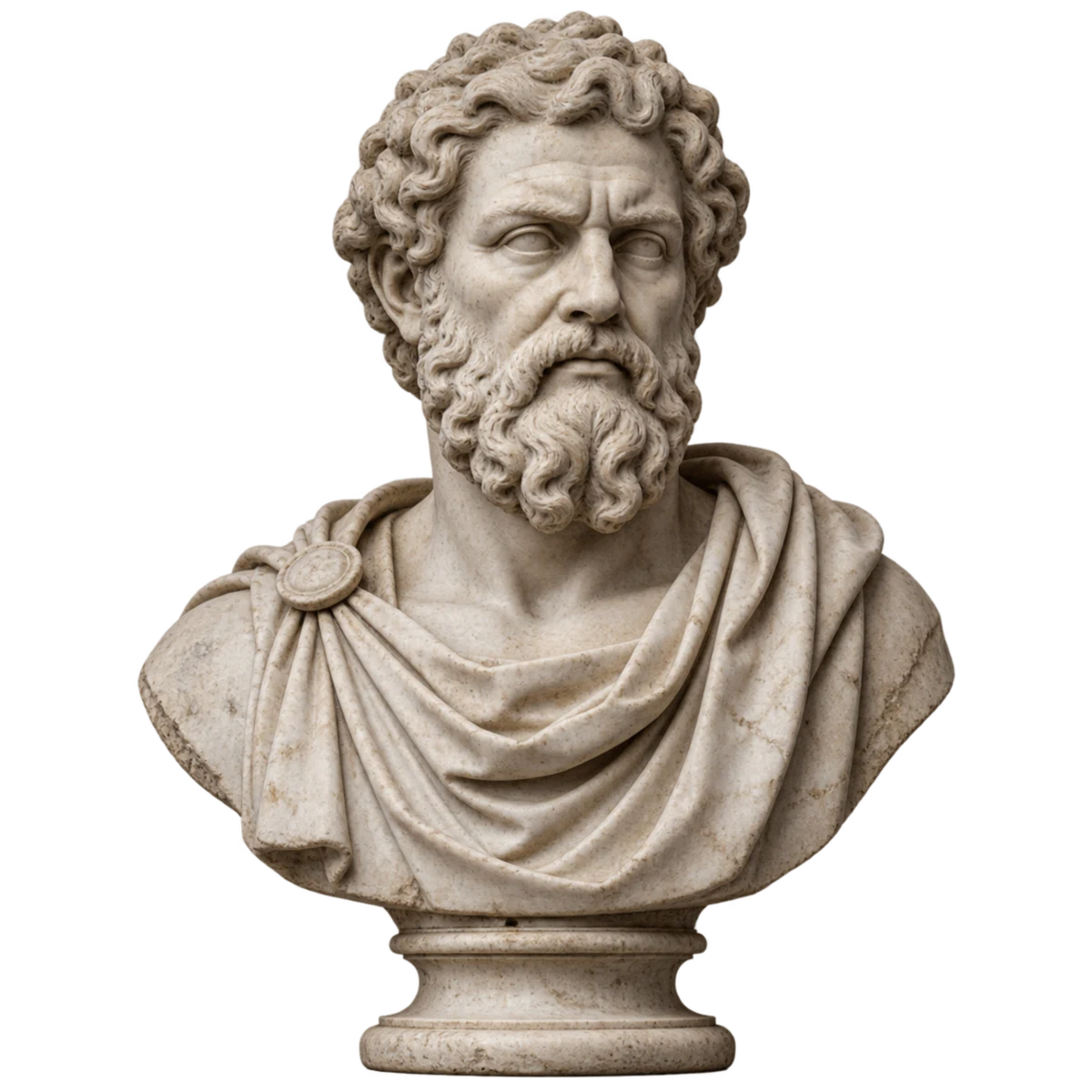
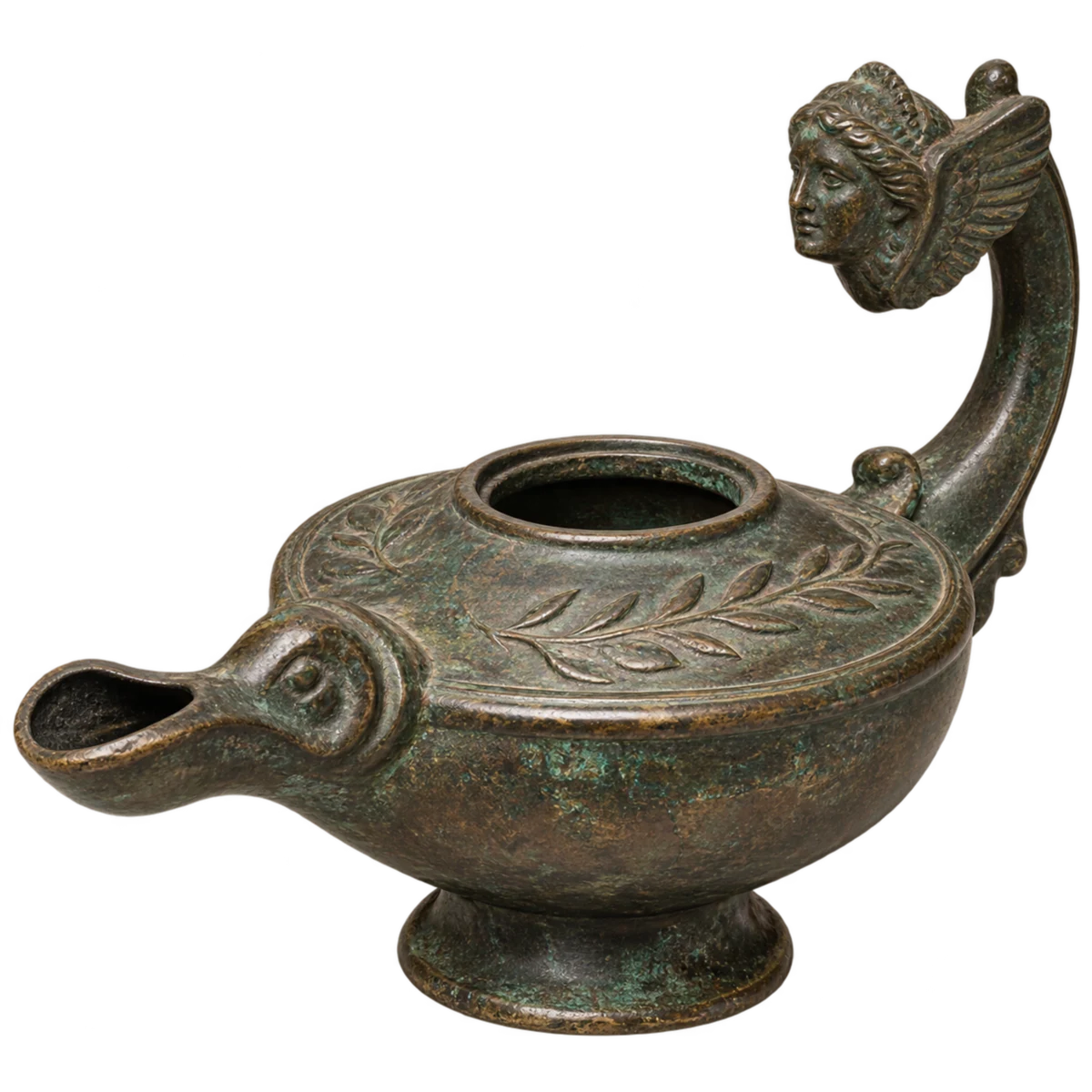
Editorial note: Historical and conceptual visuals in this article are original editorial illustrations created for Millionaire Lesson. They are not presented as photographs of specific museum objects unless explicitly identified as such.