Gold Frames in Art History: Why Gilding Became the Language of Wealth and Prestige
From carved wood and gold leaf to museum collections and quiet luxury, the frame around a picture has always done more social work than it appears to.
A gilded frame is easy to dismiss as decoration. Historically, that is a mistake. Frames have functioned as architecture, protection, theater, and status technology. They separate a picture from ordinary space, direct the eye toward it, harmonize it with a room, and—especially when carved and gilded—announce that both the image and its owner deserve attention.
This is why gold frames still feel expensive even when the viewer knows nothing about the painting inside them. The association was built over centuries. Courts, churches, aristocratic houses, museums, collectors, and later luxury interiors repeatedly used gilded surfaces to make objects look ceremonial, permanent, and socially elevated. The frame became part of the meaning of the work.
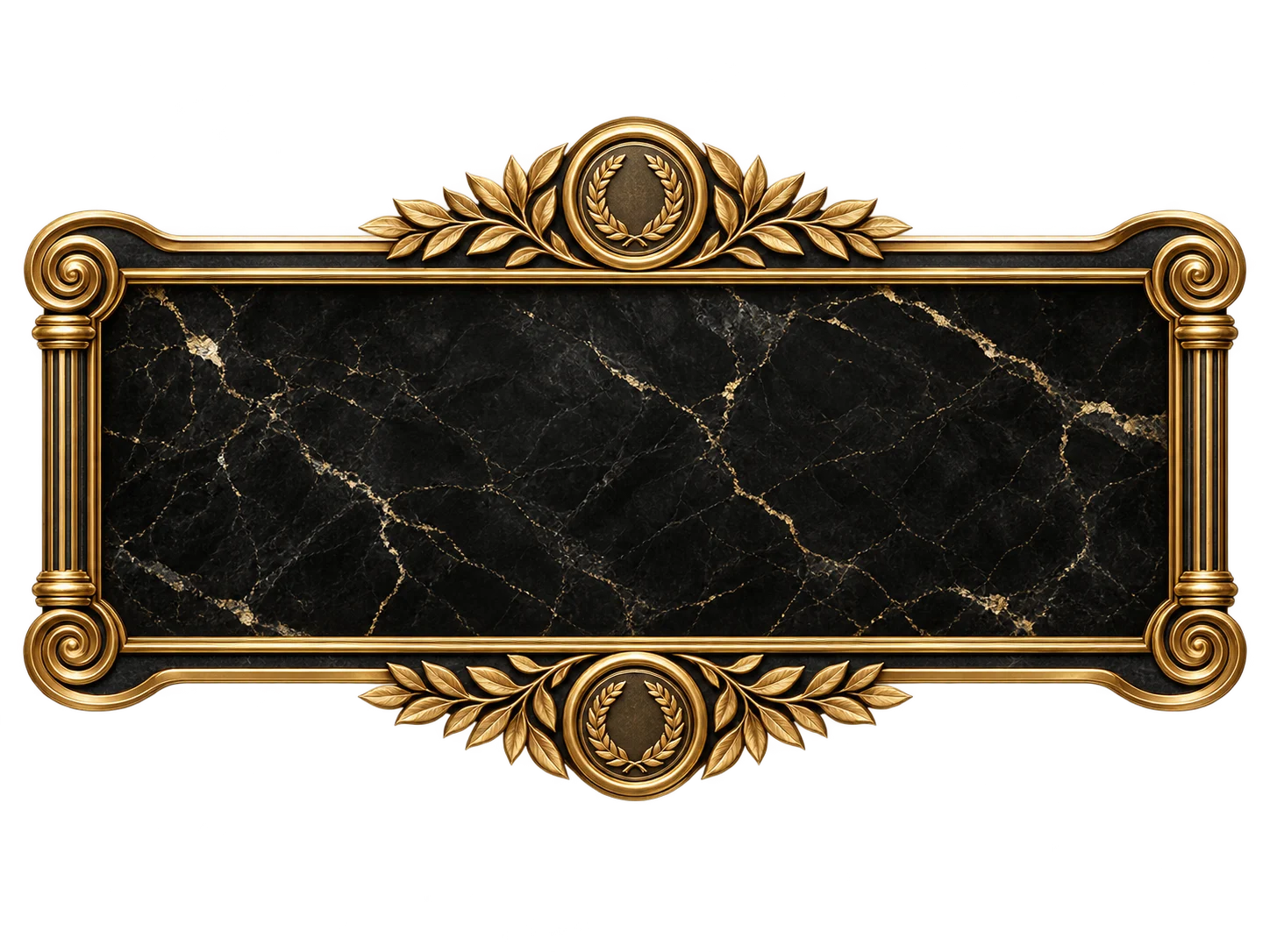
1. The frame was never merely an accessory
A frame has a practical function: it supports and protects a picture. But the moment a frame is carved, gilded, painted, or designed to echo a room, it becomes more than a support. It becomes a boundary between the ordinary world and the world of the image. This boundary is psychological as much as physical. It tells viewers where attention should begin and end.
In palaces and churches, this effect mattered. Paintings were rarely experienced as isolated rectangles floating on a white wall. They belonged to rooms filled with moldings, tapestries, furniture, altarpieces, carved wood, stone, textiles, and metalwork. A frame could connect the painting to that larger architectural environment. The richer the frame, the more ceremonial the transition between room and image became.
2. Why gold became the dominant language of prestige
Gold has several qualities that make it unusually powerful in display. It reflects light. It resists visual aging better than many pigments. It recalls coinage, crowns, sacred objects, and courtly decoration. Even when only a thin layer of gold leaf covers wood or gesso, the surface can appear materially richer than its structural core. That transformation is important: gilding is not simply expensive material; it is an art of making a surface radiate value.
Historical museum collections preserve carved and gilded frames from France, Italy, Britain, and elsewhere. The Metropolitan Museum of Art, for example, catalogues late-seventeenth- and eighteenth-century carved-and-gilt frames as objects worthy of study in their own right. The Victoria and Albert Museum notes that gilded wood and cast ornament are among the most common materials in its frame collection. Those institutional choices are revealing: a frame is not neutral packaging. It is decorative art.
3. Craftsmanship created a visible hierarchy
The prestige of historical frames also came from labor. Carved wood required skilled hands. Gesso had to be built up and shaped. Ornament might be applied separately, burnished, toned, repaired, or altered to fit a painting. Gold leaf is extremely thin and unforgiving. A successful gilded surface therefore communicates not only material cost but disciplined workmanship.
This helps explain why elaborate frames became social signals. Anyone could hang an image. Not everyone could commission a painting and then surround it with a carefully finished object made by specialist craftsmen. Displaying art in a high-quality frame converted money into visible care. The owner signaled: this object is important enough to deserve a second work of craftsmanship around it.
4. Frames could be designed for particular paintings
The assumption that paintings always keep the frames they were born with is false. Works have been reframed for changing rooms, changing owners, changing fashions, and changing museum practices. Yet there are also cases where artists took unusually strong interest in how their paintings were framed. The Metropolitan Museum records an early-twentieth-century “Hassam-style” frame associated with the American painter Childe Hassam, noting that paint residue suggests the gilded frame was custom-colored to harmonize with a particular palette.
That detail is important because it shows the frame acting almost like a final compositional layer. Color, width, depth, and ornament alter the way a painting is perceived. A narrow dark frame can make a picture feel modern and contained. A thick gilded frame can make the same scale of picture feel ceremonial or historical. Presentation changes interpretation.
5. The room, the frame, and the owner formed one status system
The strongest status effect appears when objects reinforce one another. A carved frame beside polished wood, textiles, books, sculpture, and architectural detail feels coherent. The viewer does not consciously price each component. Instead, the room produces an overall impression of depth, age, curation, and expense.

This is why “quiet luxury” often feels more convincing when it relies on atmosphere instead of logos. A room can suggest wealth through objects that seem collected rather than purchased all at once. The frame contributes by making the painting feel inherited, curated, or museum-like—even when the viewer cannot identify the period or style.
6. Antique and vintage gold frames still carry the old signal
Modern search behavior confirms that the visual code remains active. In our U.S. keyword research, the broad term “gold frames” carries substantial search demand, while variants such as “antique gold frames,” “vintage gold frames,” and “gold frames for paintings” also attract interest. Much of that intent is commercial, but the underlying aesthetic is historical: people are still trying to recreate a look associated with age, ornament, and prestige.
The commercial market also reveals a useful distinction. A frame can imitate the appearance of historical prestige without possessing historical significance. That does not make it bad design, but it is different from an antique frame with documented age, workshop characteristics, repairs, or provenance. In art, visual luxury and historical value can overlap, but they are not the same thing.
7. Some frames are collectible objects in their own right
Museum collections contain frames that are not treated as disposable accessories. The Met holds carved and gilded French and Italian examples, period frames linked to specific artists, and elaborate presentation frames from makers such as the House of Fabergé. The V&A has conserved unusual frames made from materials such as mother-of-pearl. These objects show that a frame can have its own maker, date, material history, and provenance.
This is the key to understanding “rare frames.” Rarity does not come from ornament alone. It comes from a combination of age, authorship or workshop attribution, material, survival, condition, historical association, and documentation. The same logic that gives a painting a biography can give its frame a biography as well.
8. What a gold frame actually signals today
- Importance: the framed object is being singled out from ordinary surroundings.
- Permanence: gilded ornament evokes traditions older than contemporary disposable décor.
- Craft: viewers associate carved and gilded surfaces with labor and specialist making.
- Cultural memory: palaces, museums, churches, and aristocratic interiors have trained audiences to read gold as ceremonial.
- Status: presentation beyond necessity suggests surplus resources and concern for how an object is perceived.
The deeper lesson is not that gold automatically creates value. It is that presentation can transform the social meaning of an object. Luxury begins where function ends and symbolic work begins.
Continue exploring
Status Symbols: Why Humans Use Objects to Signal Identity, Rank and BelongingLuxury Brand Psychology: Why People Pay More for Status, Scarcity and MeaningWhy Humans Seek Status: The Psychology Behind Wealth, Luxury and Recognition
9. How traditional gilding actually creates the illusion of solid gold
One reason gilded frames feel materially extravagant is that their surface disguises the modesty of their structure. A historical frame might be built from wood, prepared with layers of gesso, carved or enriched with applied ornament, then covered with extraordinarily thin sheets of gold leaf. The visual result can suggest a mass of precious metal even though the gold itself is a surface treatment. This is not deception in a negative sense; it is craftsmanship devoted to transformation.
Different finishing methods could produce different effects. Burnished areas can become bright and mirror-like, while matte or toned areas absorb more light. Age, dust, restoration, abrasion, and deliberate patination can further change the surface. This is why two gold frames can feel completely different even if both are technically “gilded.” The quality of the modeling, preparation, and finish matters as much as the color.
For viewers, the practical details disappear into perception. We do not usually think, “gesso, bole, leaf, burnishing.” We think: old, precious, formal, museum, palace, ceremony. Craft accumulates into a cultural shortcut.
10. Restoration can change how a frame tells its story
Frames often survive hard lives. They are resized, repainted, stripped, over-gilded, cut down, extended, repaired, or moved to different pictures. Museums therefore examine frames much as they examine paintings: materials, construction, tool marks, later additions, and evidence of previous finishes can all help reconstruct an object’s history.
The V&A’s work on an unusual mother-of-pearl frame is a good reminder that attribution and dating can change when conservators look closely at structure and hardware. What collectors once believed about an object may not survive technical examination. That uncertainty is not a failure of collecting; it is part of the reason provenance and conservation matter.
For a modern buyer, this is a useful warning. “Antique-looking” and antique are not the same thing. A convincing old surface can be reproduced. A genuinely historical frame is supported by construction, materials, wear, documentation, and expert comparison.
11. Why museums sometimes keep or replace a frame
Museum framing decisions can be surprisingly consequential. A frame can strengthen historical coherence, but it can also mislead if it belongs to the wrong period or style. Curators and conservators may preserve an old frame because of its relationship to an artist or collector, replace an inappropriate later frame, or create a replica when the original setting has been lost.
This means that the “museum look” people imitate in interior design is itself the product of scholarship and choices. The authoritative presentation of a painting is not automatic. Someone has decided how the object should meet the wall, how much visual weight the border should carry, and what historical story the frame should tell.
12. A modern psychology of gilded status
From a behavioral perspective, gilded frames work because they combine several status mechanisms at once. They are visually salient without needing text. They resemble objects seen in museums and elite interiors. They suggest craft rather than mass utility. And they make the framed item appear less replaceable. The object becomes a focal point rather than background decoration.
This does not mean everyone consciously associates gold with aristocracy. Cultural signals can work below that level. Repeated exposure teaches people that certain visual combinations belong to formal, sacred, historical, or expensive settings. Designers exploit those associations because they are efficient: a few materials can imply an entire social world.
13. What to look for when studying an old frame
- Construction: is it carved from solid wood, built from joined moldings, or decorated with applied ornament?
- Surface: does the gilding appear burnished, matte, toned, distressed, or restored?
- Proportion: how does the width and depth of the frame alter the apparent scale of the picture?
- Motifs: leaves, shells, scrolls, architectural moldings, and geometric patterns can indicate stylistic traditions.
- Relationship to the picture: does the frame harmonize with the painting’s color, date, or subject, or does it feel like a later fashion imposed on it?
- Provenance: is there documentation connecting the frame to a collector, artist, workshop, or historical installation?
Frequently asked questions
Are antique gold frames made of solid gold?
Usually not. Historical frames commonly use wood or other structural materials with gilded surfaces. The prestige comes from the finish, craftsmanship, design, and historical context rather than a frame being a block of precious metal.
Can a frame be valuable without the painting?
Yes. Frames can be collected as decorative-arts objects, especially when they have age, strong craftsmanship, a known maker or workshop, unusual materials, or a documented relationship to an artist or historic collection.
Why do museums care about frames?
Because frames affect interpretation and can carry their own historical evidence. They also form part of the physical history of how a picture was displayed and understood.
Why does a gold frame still feel luxurious today?
Because centuries of use in courts, churches, museums, and elite interiors trained viewers to associate gilded ornament with ceremony, importance, craftsmanship, and permanence.
Sources and further reading
- The Metropolitan Museum of Art — Louis XIV style frame
- The Metropolitan Museum of Art — Hassam-style period frame
- Victoria and Albert Museum — Conservation of a rare mother-of-pearl frame
- The Metropolitan Museum of Art — House of Fabergé picture frame
The editorial images on this page were created for Millionaire Lesson and are not reproductions of the historical works discussed.